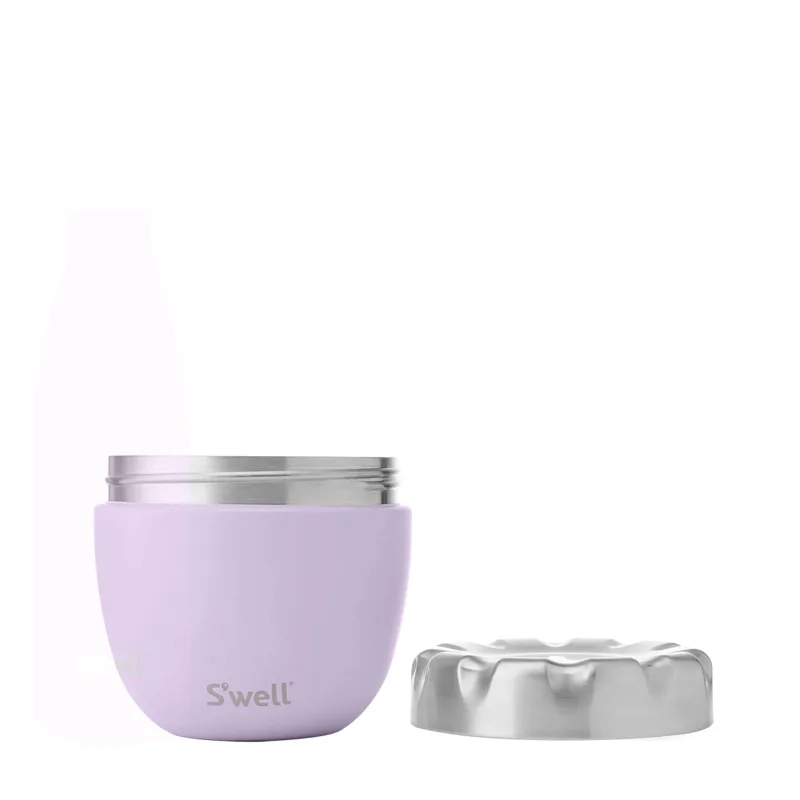
I've been hauling lunch on public transit for six years, and the switch from plastic to glass was the only change that actually stopped my salads from turning into soup by noon. There's a simple reason: glass doesn't hold onto odors, doesn't stain, and doesn't release that faint chemical smell when you microwave leftovers the next day. A S'well Eats™ | 21.5oz handles a full grain bowl without any plastic aftertaste, which plastic containers never quite escape after a few dozen washes.
Sizing: What Actually Fits Where
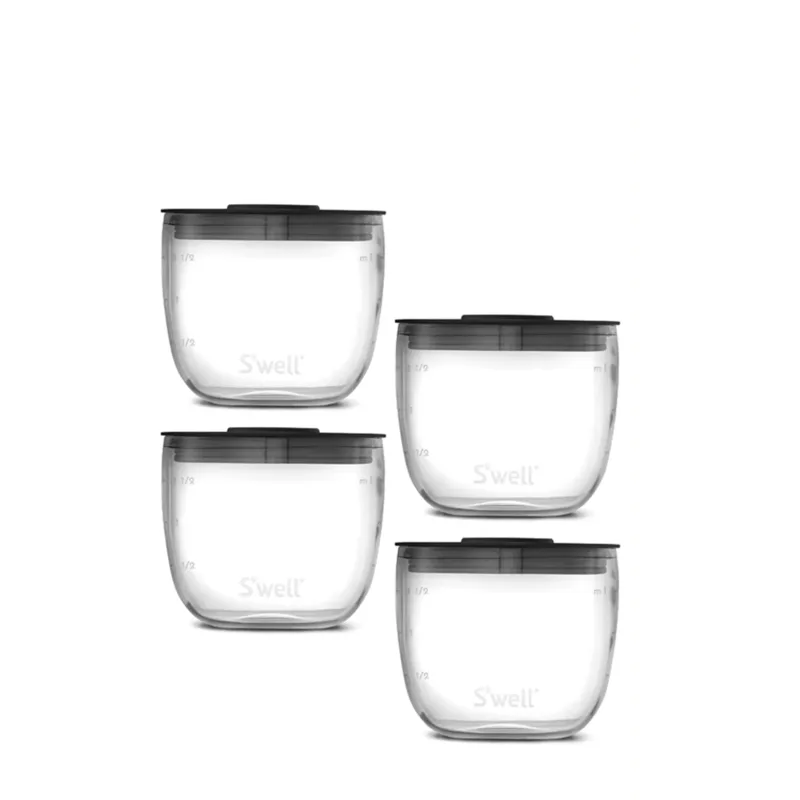
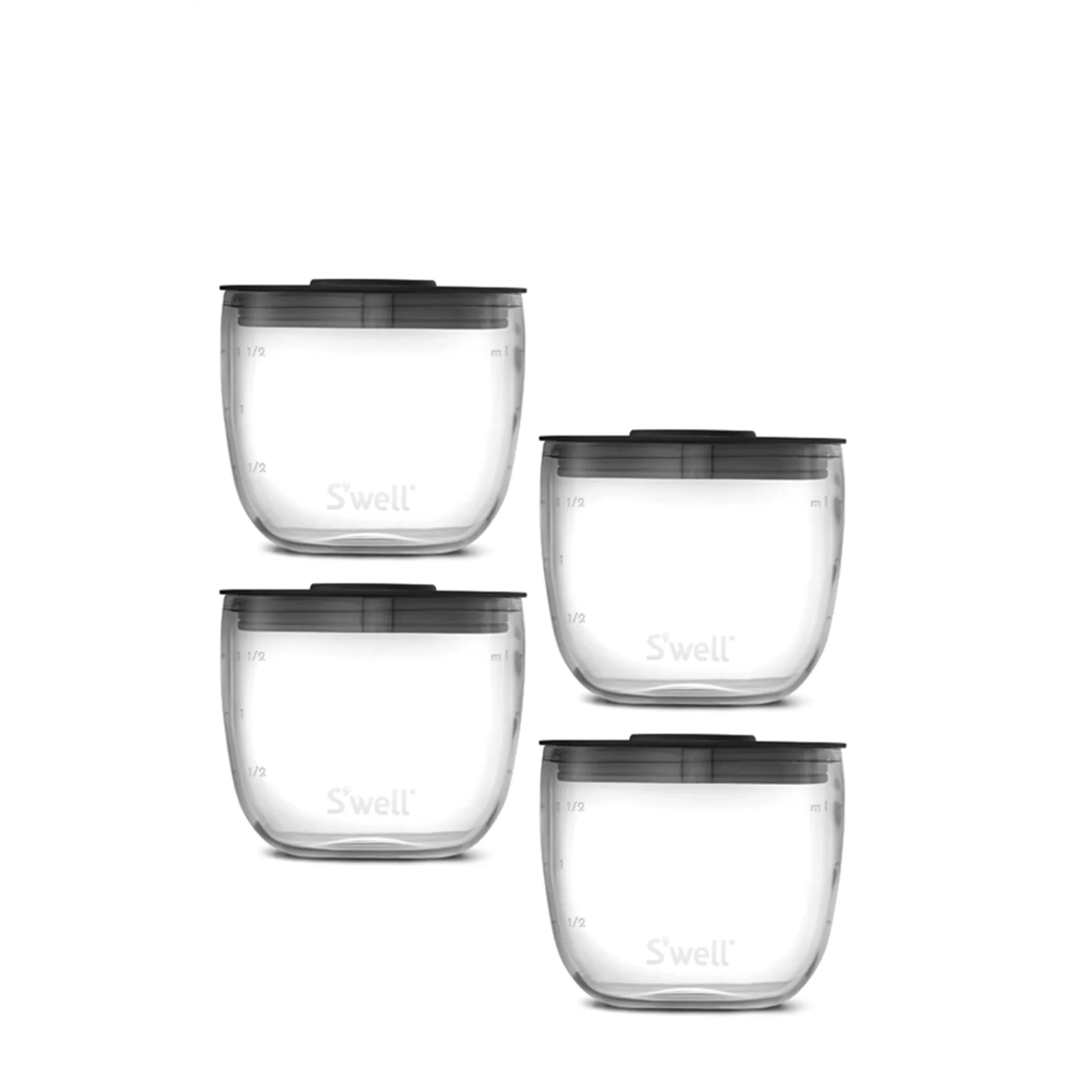
A 15oz jar holds about two cups of food. That's a side salad with dressing on the side, or a single serving of chili. If you're packing a full meal — protein, grain, roasted vegetables — you want something closer to 21oz, or you want to split it. I keep a Glass Prep Bowl Set | 12oz for components and stack them in a tote instead of trying to cram everything into one container.
Here's the rough rule I use: 12oz per side, 21oz per main, 32oz if you're feeding two people or skipping breakfast.
- 12oz: dips, cut fruit, overnight oats
- 18–21oz: single-portion lunch, soup, pasta
- 32oz+: shared salads, meal prep for a full day
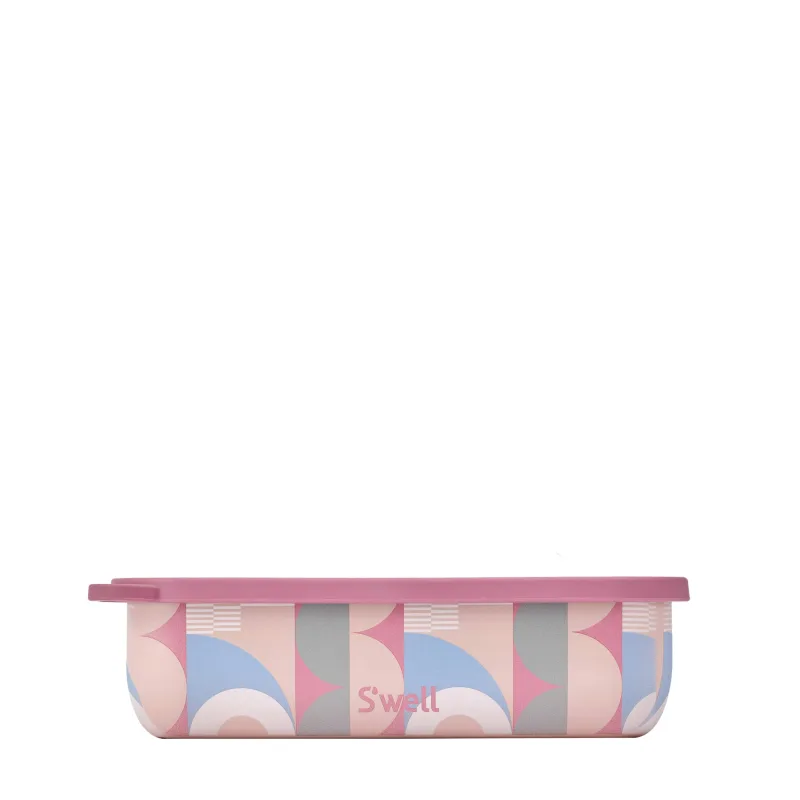
If you're prepping for the whole week, a Salad Bowl Kit | 64oz is more useful than four small jars. Fill it Sunday, portion it out each morning.
Layering So Nothing Leaks
The leak almost never comes from a bad lid. It comes from putting wet food on top of dry food and letting gravity do the rest.
Cold lunches: dressing goes in the bottom, then the sturdy vegetables (cucumber, pepper, carrot), then grains, then greens and anything crunchy. When you're ready to eat, shake the jar and the dressing distributes itself. No separate dressing cup needed.
Hot lunches: soup or stew goes in, but leave an inch of headroom. Seal it, and keep it upright — the seal works with pressure, not against it. I've had a curry explode through a zipper because I packed it sideways in a bag that got tossed around on a bus.
A Bento Box solves the layering problem differently: compartments mean nothing touches until you're at the table, which is why I use one for anything with a sauce I don't want migrating into the rice.
Days You Bring the Dog
Some of us pack two lunches. A Pet Bowl | 16oz lives in my bag on hike days — water goes in, kibble goes in a separate canister, and I'm not juggling a collapsible silicone bowl that folds shut mid-meal. Pair it with a Traveler | 16oz for yourself and you've got a full setup that fits in one tote pocket.
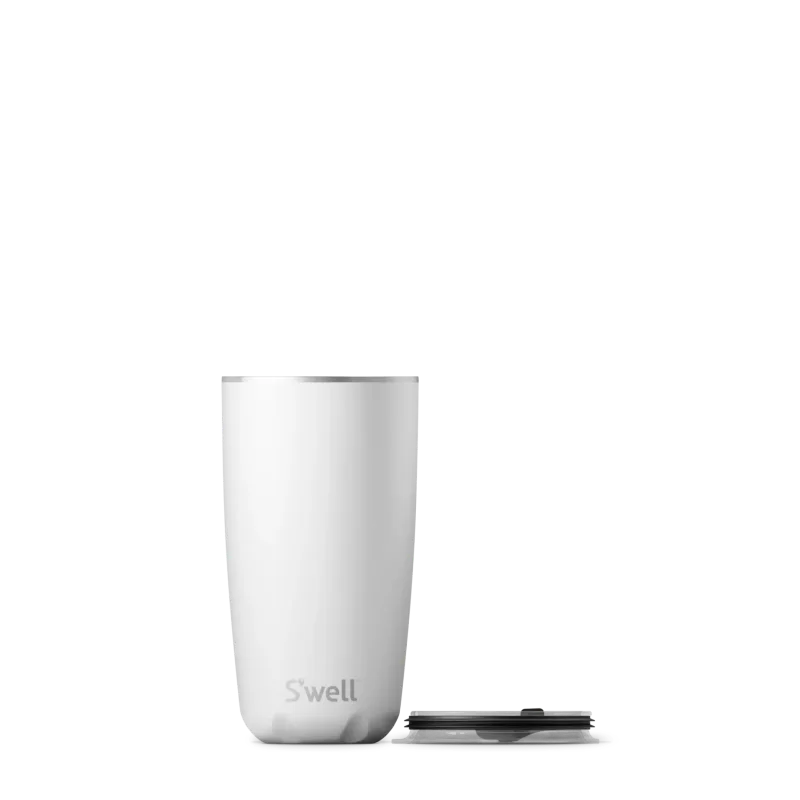
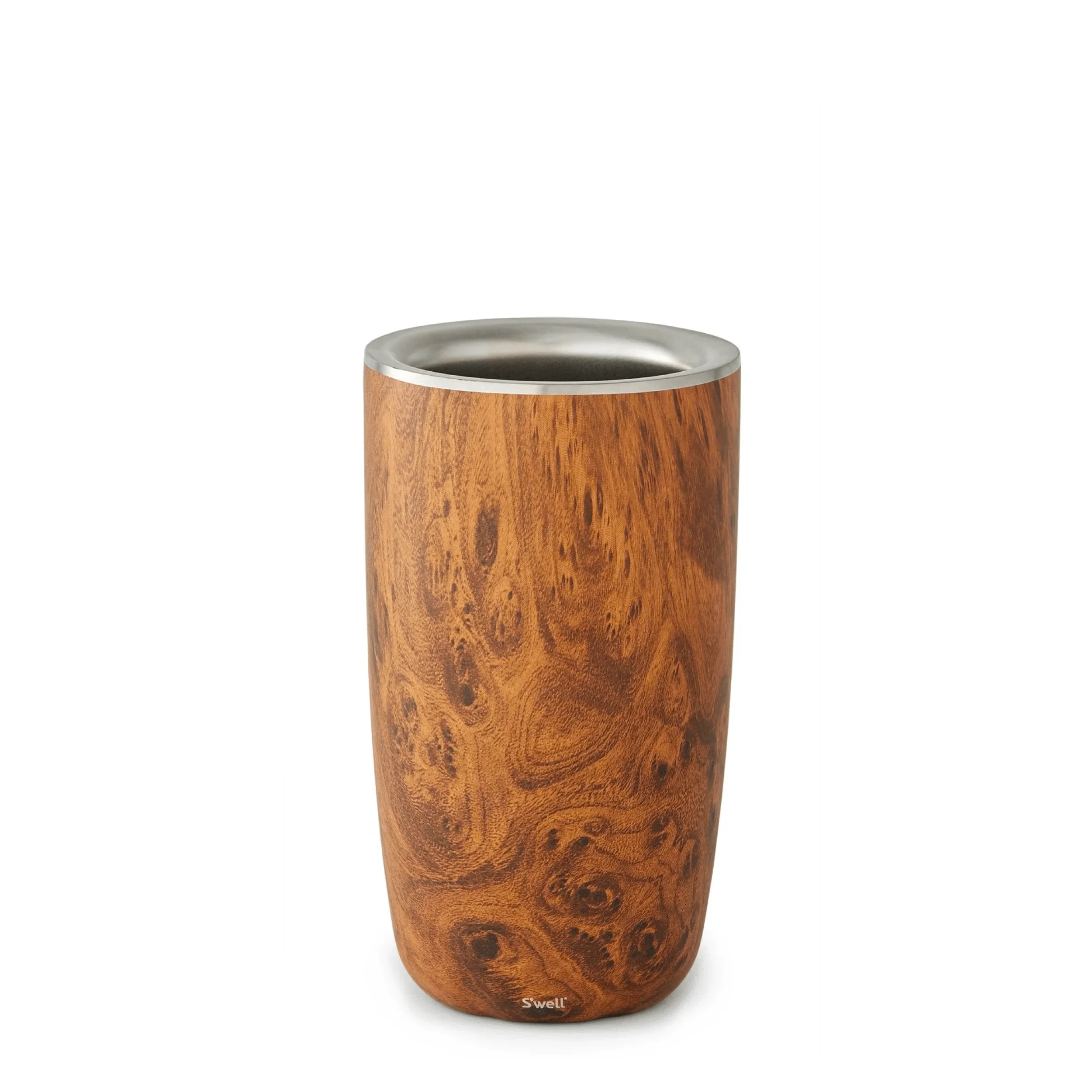
If you're carrying hot coffee too, a Tumbler | 18oz slides into the same side pocket without tipping the food containers over. Small thing. Makes a difference on a crowded train.
Lids, Caps, and Cleanup
Not every lid fits every container, and mixing them up is the fastest way to a wet bag. Here's how I keep it straight:
- Twist-on food lids stay with their jars — I don't swap them between sizes
- Flip straw lids are for cold drinks only; hot liquid builds pressure and pushes back
- Silicone gaskets come out for washing, every single time, or they get sour
Hand-wash the gaskets. The containers themselves are fine in the dishwasher on the top rack, but those little rubber rings are where smells hide. Rinse them the night you get home, not three days later.
One more habit that saved me: pack the heaviest container at the bottom of the tote, against your back, and the lightest on top. Your shoulders will thank you, and nothing shifts when you set the bag down.